
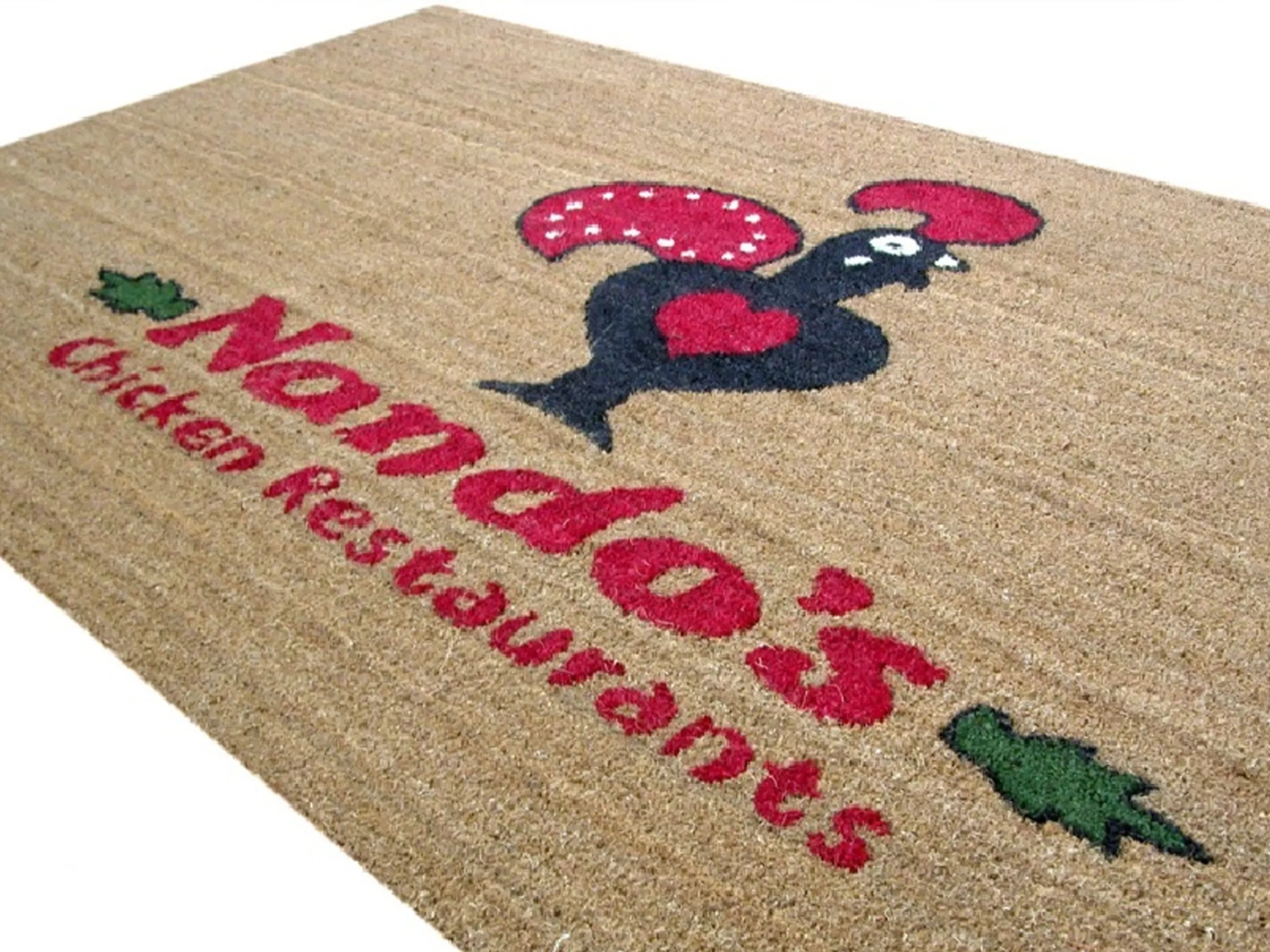
Coir Matting
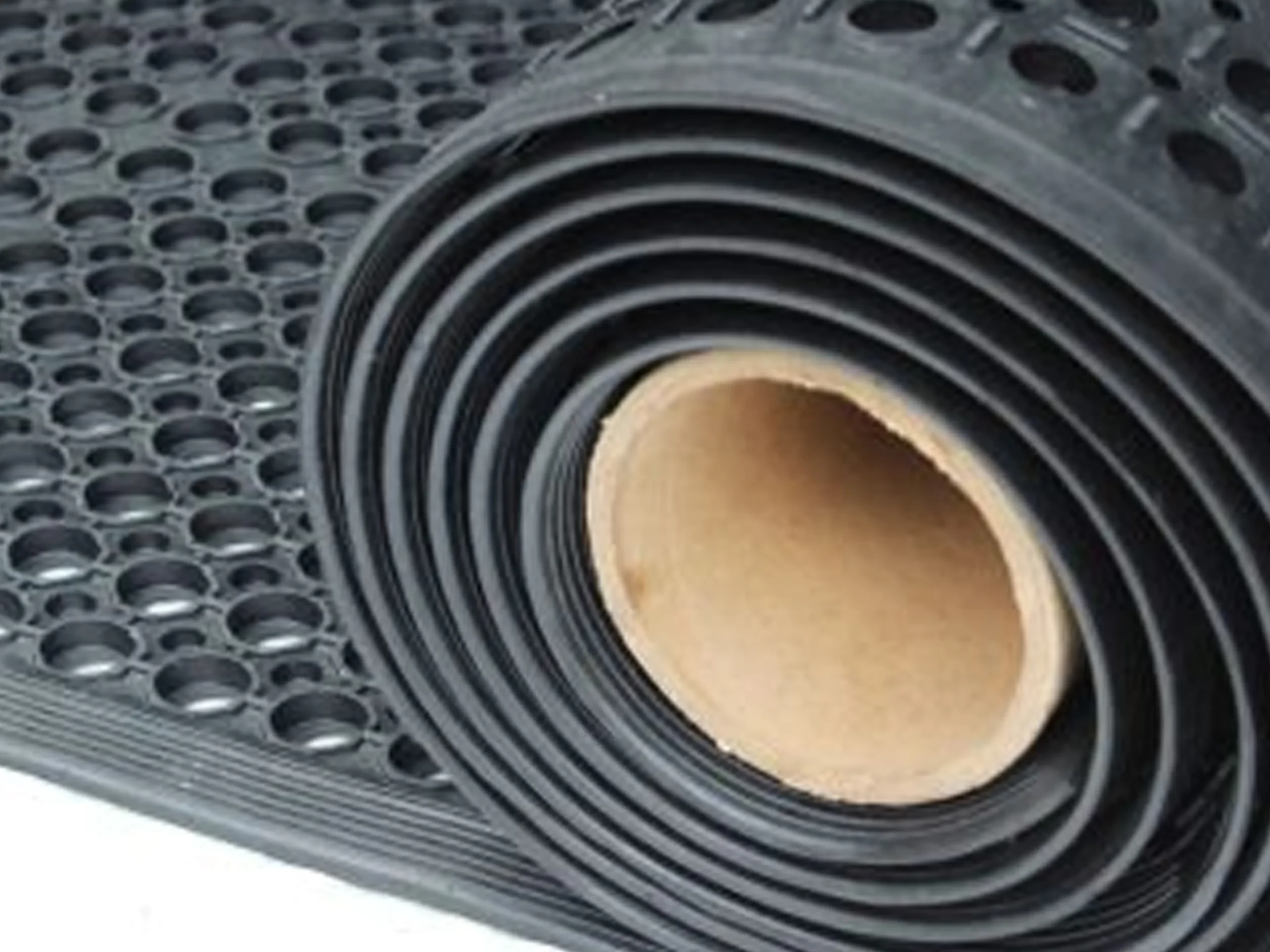
Rubber Matting
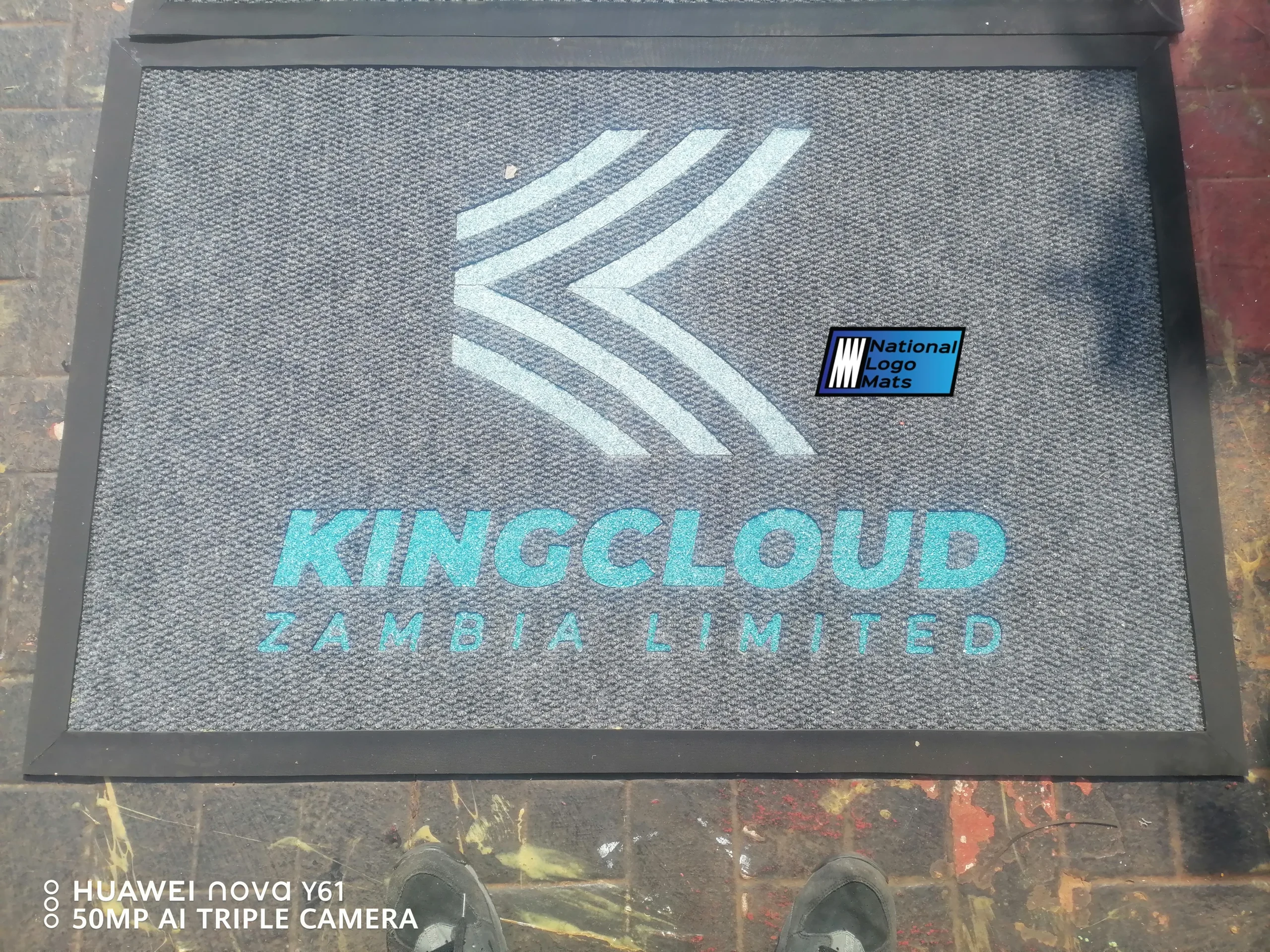
Berber point carpet matting

Spaghetti Matting
In the South African commercial landscape—where we balance the red dust of the highveld, the summer rains of Gauteng, and the coastal humidity of the Cape—the “one-size-fits-all” approach to doormats simply doesn’t work.
Choosing the right commercial entrance matting is a strategic decision that affects your building’s maintenance costs, safety ratings, and first impressions. Here is a guide to the four most prevalent types of entrance matting used in South Africa today.
1. Berber Point Carpet Mats
The Gold Standard for Corporate Branding
Berber Point entrance matting is perhaps the most recognized name in South African commercial flooring. These mats are manufactured using a “needlepunch” process that creates a distinct, rugged texture.
- Best For: Interior entrances, reception areas, and corridors.
- Key Features: * Inlay Branding: Unlike printed mats, logos are cut and inlaid, meaning your brand won’t wear off.
- Moisture Absorption: The dense fibers are excellent at “wicking” moisture away from shoes.
- Why choose it? It offers a sophisticated, professional look while being incredibly durable against heavy foot traffic.
2. Spaghetti Matting (Vinyl Loop)
The Ultimate Dirt Trapper
Commonly seen in shopping malls and industrial parks, spaghetti matting is made from intertwined PVC loops. It gets its name from its resemblance to a bowl of noodles.
- Best For: Outdoor entrances, uncovered walkways, and pool areas.
- Key Features:
- Open Web Design: Dirt and sand fall through the loops, meaning the surface always looks clean.
- High Drainage: Water flows through the mat, preventing puddles from forming.
- Why choose it? It is UV-resistant and can handle the harsh South African sun without becoming brittle. It’s the “heavy lifter” for removing bulk mud and grit.
3. Rubber Entrance Matting
Safety and Heavy-Duty Scraping
Rubber mats are the workhorses of the matting world. In South Africa, these are often found in “honeycomb” or “ring-mat” designs at the very first point of entry.
- Best For: Industrial sites, kitchens, and areas prone to heavy rain.
- Key Features:
- Anti-Slip: Provides the highest level of grip, even when soaking wet.
- Scraper Action: The rigid rubber peaks or rings scrape large debris like gravel and thick mud off work boots.
- Why choose it? It is virtually indestructible. If your facility deals with trolleys or heavy carts, rubber matting provides the structural integrity needed to support the weight without tearing.
4. Coir Matting (Coconut Fiber)
The Traditional Scraper Mat
Coir is a natural fiber extracted from the husk of coconuts. While it has a more traditional, “homely” aesthetic, it remains a popular choice for boutique offices and retail stores in South Africa.
- Best For: Recessed mat wells and low-to-medium traffic boutique entrances.
- Key Features:
- Natural Bristles: The stiff fibers act like a brush, reaching deep into the treads of shoes.
- Classic Aesthetic: Provides a warm, organic look that synthetic mats can’t replicate.
- Why choose it? It is excellent at removing fine dust. However, it is best kept in a recessed well (a pit in the floor) because it can be thick and might pose a trip hazard if placed directly on top of a floor.
Which one is right for your building?
A professional entrance matting solution usually involves a combination of these types. For example:
- Outside: Rubber or Spaghetti mats to remove mud and stones.
- Inside the door: Berber Point mats to dry the feet and showcase your brand.
Would you like a customized recommendation or a quote based on your specific building dimensions? Contact our South African team today!