
When walking into a shopping centre, corporate office, or hospital, you’ll often notice professional entrance mats at the doorway. While they clearly enhance safety and branding, a common question many business owners ask is: “Is it mandatory by law to use professional entrance mats in South Africa?”
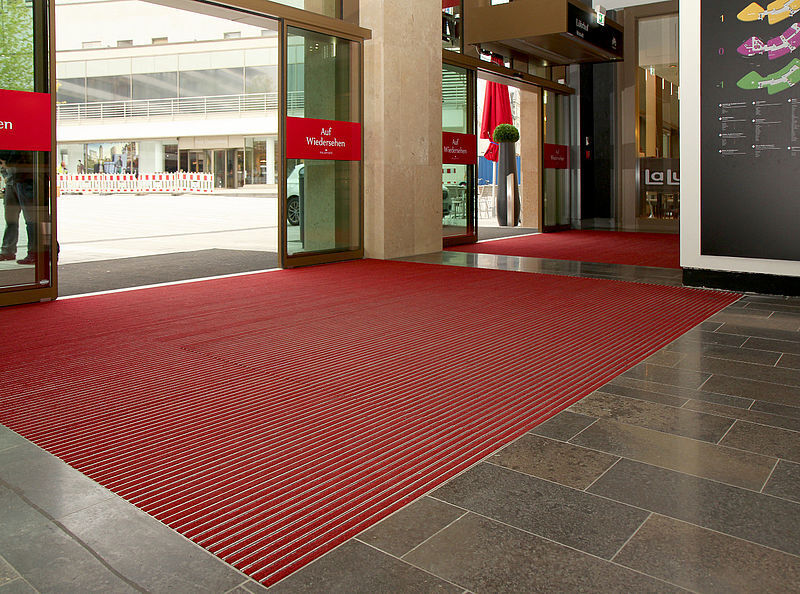
The answer is not a straightforward yes or no. While there is no specific regulation that directly states businesses must use branded or professional entrance mats, several South African laws, regulations, and industry standards indirectly make them a necessity. Let’s unpack this.
1. The Occupational Health and Safety Act (OHS Act 85 of 1993)
The OHS Act is the cornerstone of workplace safety in South Africa. It requires employers to provide and maintain a safe environment for both employees and visitors. While the Act does not mention “entrance mats” by name, it does require:
- Employers to eliminate or minimise hazards that could cause injuries.
- Preventative measures against slips, trips, and falls — which are among the most common causes of workplace injuries.
How mats fit in: Entrance mats reduce moisture, dust, and dirt at doorways, making them one of the simplest and most effective ways to comply with these safety obligations.
2. Public Liability and Insurance Requirements
Most South African businesses carry public liability insurance, which covers claims from injuries that occur on business premises. Insurers often expect businesses to demonstrate reasonable preventative measures to avoid accidents.
How mats fit in: If a customer slips on a wet entrance floor and there were no preventative measures (like a professional mat), insurers may argue negligence — leaving the business liable for damages.
3. Health and Hygiene Regulations
In sectors such as healthcare, hospitality, and food service, businesses must maintain high hygiene standards under various health regulations. Preventing dust, dirt, and contaminants from entering the building is part of compliance.
How mats fit in: Professional entrance mats trap up to 80% of incoming dirt and moisture, supporting a cleaner and more hygienic environment.
4. Industry Standards and Best Practices
While not always legally binding, industry standards strongly influence what is considered acceptable practice in South Africa. Many building managers, shopping malls, and corporates enforce their own health and safety policies that include entrance matting as part of their risk management strategy.
How mats fit in: Following industry best practice demonstrates compliance, professionalism, and a proactive approach to safety and branding.
5. Branding and Customer Experience
Beyond compliance and safety, branded mats also support business reputation. South African consumers notice clean, safe, and welcoming entrances — and often associate them with quality service. While not a regulation, this can make or break customer perceptions.
So, Are Professional Mats Mandatory in South Africa?
To summarise:
- There is no law that explicitly forces businesses to install professional entrance mats.
- However, under the OHS Act, businesses must minimise risks like slippery or dirty floors. Entrance mats are one of the most effective and affordable ways to meet this legal duty.
- Insurers, industry standards, and customer expectations all indirectly make professional mats a necessity.
Conclusion
While you won’t find a South African law that says “Entrance mats are compulsory”, the reality is that businesses are legally, financially, and reputationally safer when they invest in professional matting. Whether it’s for safety, compliance, insurance protection, or brand image, entrance mats are more than a nice-to-have — they’re a smart, proactive business decision.