
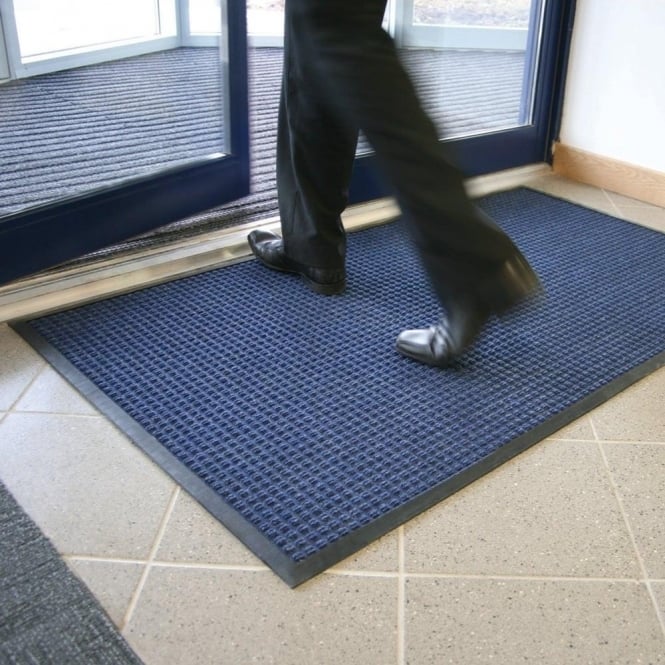
Understanding how many people walk through your doors every day is more than just a marketing exercise. In South Africa’s busy business environment—whether it’s a shopping mall in Sandton, an office block in Cape Town, or a hotel in Durban—foot traffic directly impacts the safety, cleanliness, and first impressions of your premises. One of the most overlooked benefits of measuring foot traffic is that it guides you in choosing the right entrance mats South Africa businesses rely on for durability and branding.
In this article, we explore practical ways to measure foot traffic, why it’s important, and how the data can shape better decisions about commercial matting solutions.
Why Measure Foot Traffic?
Before looking at the “how,” let’s answer the “why.” Measuring footfall into a building provides valuable insights for business owners, facility managers, and retailers.
- Matting Decisions: A low-traffic boutique in Stellenbosch doesn’t need the same heavy-duty mats as a high-traffic taxi rank in Johannesburg.
- Safety and Compliance: More traffic means higher risks of slips, trips, and falls, especially during rainy Cape Town winters. The right mats reduce liability.
- Maintenance Planning: High footfall wears mats and floors faster. Knowing your traffic levels helps set cleaning schedules and replacement cycles.
- Customer Insights: Retailers and shopping centres use footfall data to track peak hours, plan promotions, and optimise layouts.
- Resource Allocation: From cleaning teams to security, footfall data helps allocate resources where they’re needed most.
Without understanding traffic volume, you risk over- or under-investing in your matting solutions. Partnering with commercial entrance mat suppliers in South Africa ensures you get mats designed to match your actual needs.
Methods for Measuring Foot Traffic
South African businesses can use several practical methods to track the number of people entering their premises. Each comes with different levels of accuracy and cost.
1. Manual Counting
This is the simplest approach: staff members manually count visitors during certain times of day.
- Pros: Low cost, easy to implement.
- Cons: Time-consuming, human error, not scalable.
- Best For: Small shops, short-term monitoring.
2. Mechanical Turnstiles or Entry Counters
Turnstiles or clicker counters at entrances automatically register each entry.
- Pros: Reliable for controlled access.
- Cons: Doesn’t work well in free-flowing entrances.
- Best For: Gyms, libraries, secure facilities.
3. Infrared Beam Counters
Infrared sensors at doorways count each time someone passes through.
- Pros: Automated, relatively affordable.
- Cons: Can miscount when groups enter together.
- Best For: Small to medium retail spaces.
4. Video Analytics
CCTV paired with AI software can accurately count people entering and exiting.
- Pros: High accuracy, works in crowds.
- Cons: Higher setup cost, privacy considerations.
- Best For: Shopping malls, airports, busy public facilities.
5. Wi-Fi & Mobile Tracking
Some systems use mobile phone signals to estimate visitor numbers.
- Pros: Can track repeat visitors.
- Cons: Not as precise for exact counts; requires tech investment.
- Best For: Large malls and corporate buildings.
6. Smart Matting Solutions
Technology is moving quickly, and mats themselves are becoming data tools. Some modern mats come with embedded sensors to track footfall.
- Pros: Dual use—matting and analytics.
- Cons: Still expensive and less common in South Africa.
- Best For: Large corporates, airports, and forward-thinking retailers.
Turning Data Into Action
Once you know your daily or weekly foot traffic numbers, the real value comes from applying the data.
1. Choosing the Right Matting
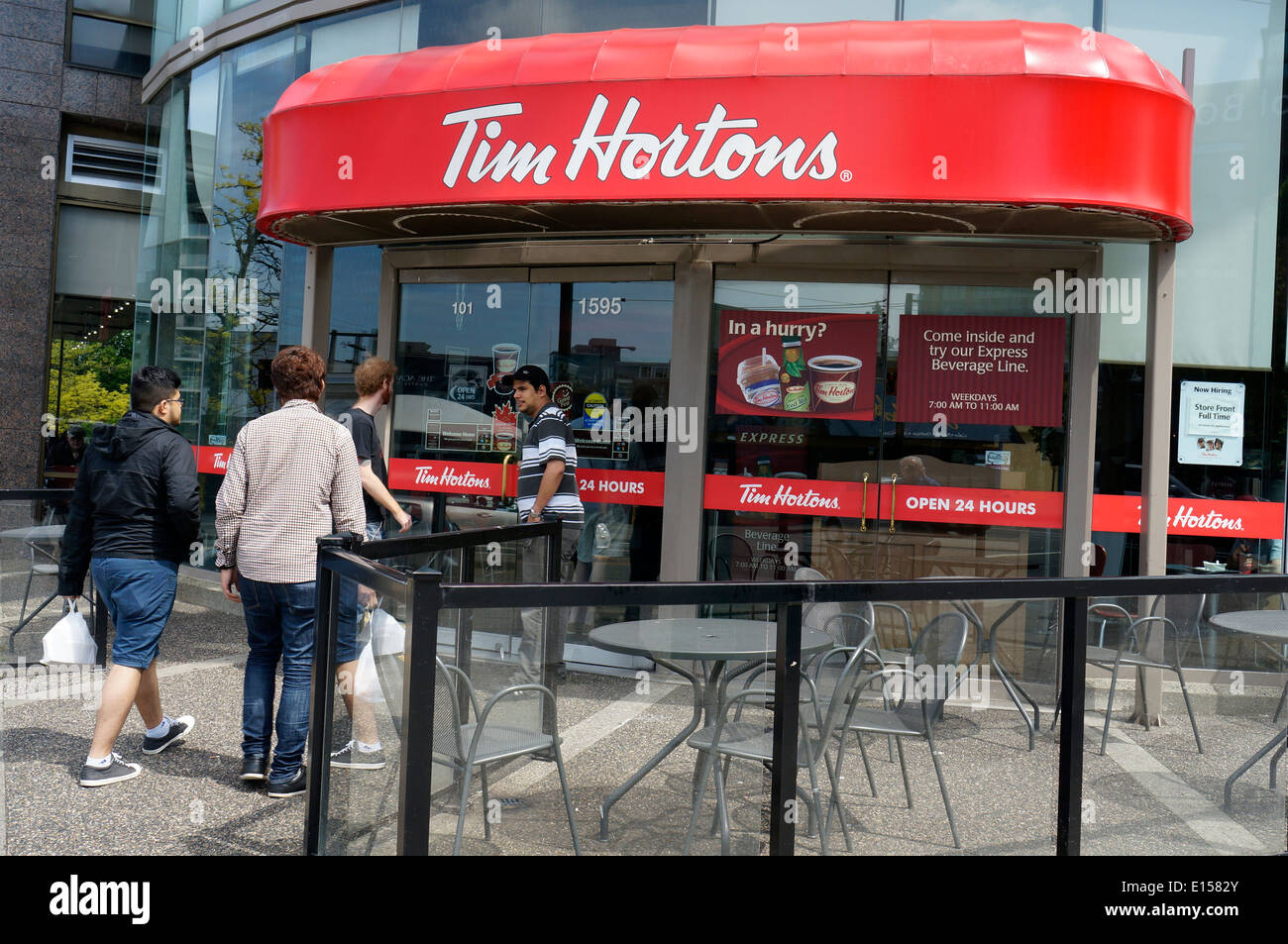
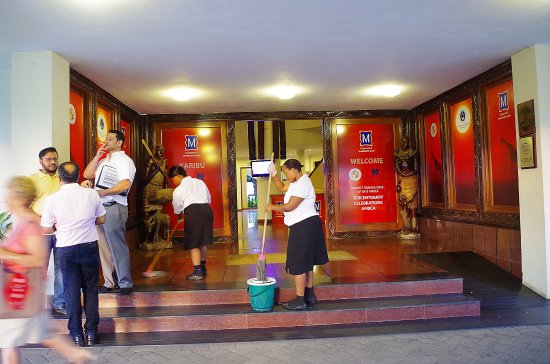
- High-Traffic Entrances: Airports, shopping malls, or universities with thousands of daily visitors should invest in durable Berber point mats, heavy-duty rubber-backed mats, or spaghetti mats supplied by commercial entrance matting suppliers in South Africa.
- Medium Traffic: Office blocks or retail stores may use printed logo mats that balance branding with functionality.
- Low Traffic: Boutique shops and private offices can opt for lighter mats with a stronger focus on branding.
2. Scheduling Maintenance
- Heavy footfall means mats must be cleaned more frequently.
- Rotation of mats ensures longer lifespan.
- Replacement cycles can be planned around actual traffic data instead of guesswork.
3. Improving Safety
- In South African cities with wet winters (Cape Town, Durban), mats must absorb water effectively during peak seasons.
- Anti-slip mats should be prioritised in high-traffic public spaces to reduce liability.
4. Supporting Business Decisions
Retailers and hospitality businesses can use traffic data to plan promotions, adjust staff shifts, or optimise layouts. Facilities managers can budget more accurately for cleaning and maintenance.
Final Thoughts
Measuring foot traffic is not just for retailers tracking sales opportunities—it is a powerful tool for anyone managing a building. In the South African context, where weather, customer flow, and branding all play a role, knowing your traffic volumes ensures you choose the right entrance mats South Africa businesses need.
The right matting solution does more than keep floors clean—it protects your brand image, improves safety, and saves money in the long run.
✅ Key Takeaway: If you want to maximise the performance of your matting solutions, start by counting the steps that cross your threshold and work with trusted commercial entrance mat suppliers in South Africa.