
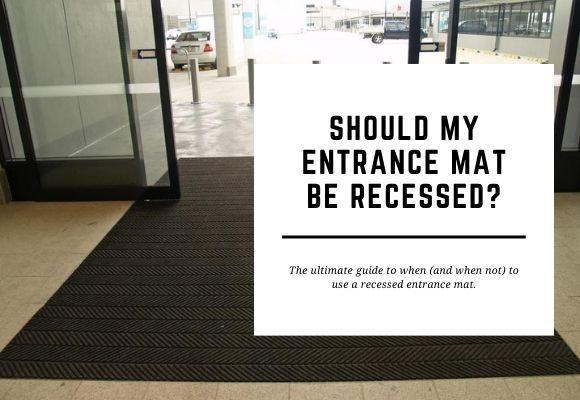
When installing new entrance matting, you want to make sure everything’s spot on. You’ve chosen the type, size, and design—but there’s one more decision to make: Should You Recess Your Entrance Mat?
It’s not a minor detail. A loose laid mat sits on top of the floor, while a recessed mat is embedded into a well so it’s flush with the ground. Both have their uses, but recessed mats offer a clear safety advantage.
Let’s break down how recessed entrance mats work, when you might need one, and the benefits they bring.
What Is a Recessed Entrance Mat?
A recessed mat is fitted into a shallow well in the floor, matching the mat’s dimensions exactly. This keeps the mat in place and level with the surrounding surface, making it feel like part of the floor itself.
These are common in high-traffic spaces like shopping centres, schools, transport hubs, and commercial buildings. While not required by the SABS, they do help meet safety requirements, especially regarding slip resistance.
When Should You Consider a Recessed Mat?
Here are some key factors to think about:
- Location: Outdoor mats are more likely to shift, blow away, or be tampered with. Recessing helps secure them.
- Weather: If your entrance is exposed to a lot of rain, a recessed mat helps manage water more effectively.
- Foot Traffic: More foot traffic means more wear and tear—and a higher need for safety. In low-traffic areas, a loose mat might do just fine.
- Mat Type: Heavy-duty mats like aluminium often need to be recessed. Rubber-backed mats can grip well enough on their own in some situations.
- Who’s Using It: In places like schools or busy public spaces, recessed mats reduce tripping hazards for people who might be rushing or not paying attention.
Why Recessed Mats Are Worth Considering
1. They Improve Safety
Reducing slips, trips, and falls is the biggest benefit. A mat flush with the floor eliminates raised edges and keeps the surface stable underfoot. This is especially important in public or commercial spaces where liability is a concern.
If you’re using a loose mat, you’ll need other solutions—like grippers or adhesive—to keep it in place. We have a full guide on how to stop mats from sliding, if you’re curious.
2. They Keep Dirt and Water Contained
Recessing boosts a mat’s ability to trap moisture and debris. Even though our loose-laid scraper mats can hold up to 7 litres of water per square metre, a recessed setup prevents visible mess and helps maintain a clean entrance.
Cleaning’s easy too: just vacuum the mat once it’s dry, and lift it occasionally to clean underneath and extend its lifespan.
3. They Reduce Shedding (Especially for Coir Mats)
Coir mats, made from coconut fibres, tend to shed. When laid loosely, they can leave a trail of mess. Recessing helps contain the stray fibres and keeps your entrance looking neat.
Just remember to clear out the fibres now and then—they can build up and affect performance if ignored too long.
4. They Protect the Mat’s Edges
By embedding your mat at floor level, you shield the edges from damage. This is crucial for aluminium mats—bent edges can become dangerous.
While you can reinforce a loose mat with ramped or safety edges, a recessed install offers longer-lasting protection for both your mat and your visitors.
So, Is a Recessed Entrance Mat Worth It?
If you’re managing a busy, public, or commercial building, the answer is almost always yes. Recessed mats offer better safety, cleaner entrances, and longer-lasting performance.
Want help picking the right mat for your space? Our team of matting experts is ready to chat.
📞 Call us at 0735589839
💬 Or start a conversation using whatsapp
We’re here to make your entrance safer, cleaner, and smarter.