
Spaghetti Mat branding Options
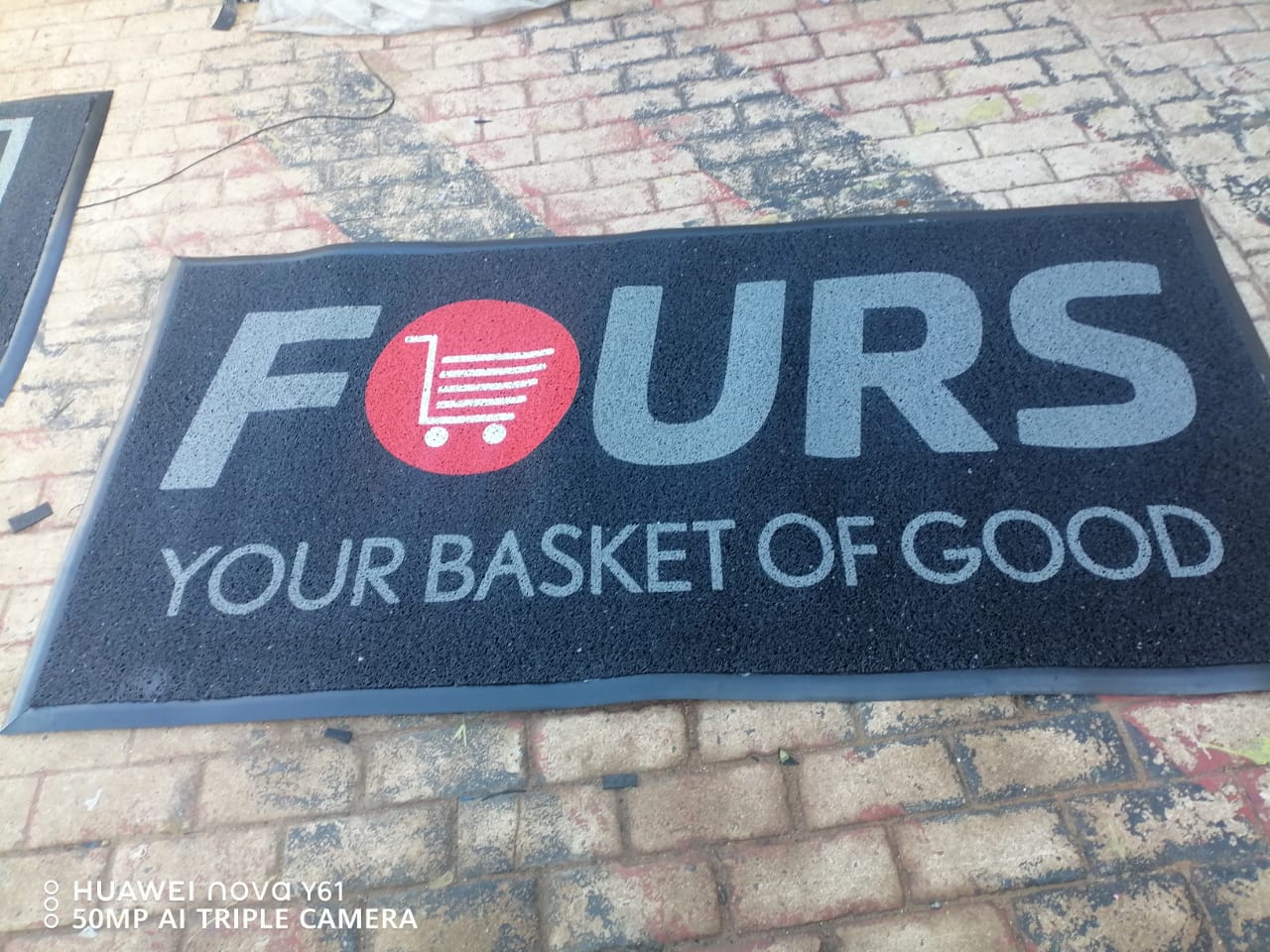

If you’ve walked into a high-end retail store, a gym, or a corporate lobby recently, you’ve likely stepped on a spaghetti mat. Officially known as PVC coil matting, these porous, noodle-like rugs are famous for trapping dirt and draining water.
But in the world of marketing, they aren’t just industrial cleaners—they’re “floor billboards.” Branding a spaghetti mat is a unique technical process that blends durability with aesthetics. When looking for personalised outdoor mats, businesses have to choose between two dominant technologies: Digital Printing and the Inlay Method.
Here is a deep dive into how spaghetti matting gets its identity and which method reigns supreme for your brand.
Understanding the “Spaghetti mat” Texture
Before we talk branding, we have to talk material. These mats are made from extruded PVC loops. Because the surface is a chaotic web of coils rather than a flat fabric, branding them requires more than just a “stamp.” The goal is to ensure the brand remains visible even as the mat does its job: swallowing mud, sand, and water.
1. The Inlay Method: The “Puzzle” Technique
The Inlay Method is widely considered the gold standard for high-traffic personalised outdoor mats. Instead of applying color to the surface, the logo is physically built into the structure of the mat.
How it works: A computer-controlled (CNC) cutting machine precisely carves the logo shape out of the base mat. Then, the same shape is cut out of a spaghetti mat of a different color. Like a jigsaw puzzle, the colored pieces are “inlaid” into the base and chemically welded or heat-bonded to the backing.
Pros of the Inlay Method:
- Extreme Durability: Since the logo is the same material as the mat, it cannot “wear off.” The color goes all the way through the coil.
- Vibrancy: You are using factory-pigmented PVC, which offers deep, bold colors that resist UV fading better than ink.
- Tactile Quality: The logo feels like a seamless part of the mat’s construction, giving it a premium, architectural feel.
Cons of the Inlay Method:
- Design Limitations: Because pieces are physically cut, you cannot achieve gradients or complex shading. It works best with solid, bold vector shapes.
- Higher Cost: The labor-intensive process of cutting and hand-assembling the “puzzle” makes these more expensive than printed alternatives.
2. The Printing Method: The “Spray” Technique
Digital printing on spaghetti matting has come a long way with the advent of high-definition UV printers. This method treats the mat more like a canvas.
How it works:
High-pressure nozzles spray specialized dyes or UV-curable inks deep into the PVC coils. The ink is then “cured” using ultraviolet light or heat to bond it to the plastic loops.
Pros of the Printed Method:
- Complex Graphics: If your brand involves gradients, shadows, or photographic elements, printing is the only way to go.
- Cost-Effective: For short-term promotions or lower-traffic areas, printing is significantly cheaper and faster to produce.
- Color Matching: You can achieve a much wider array of PMS (Pantone) colors through ink mixing than you can with the limited palette of pre-colored PVC coils.
Cons of the Printed Method:
- Surface Wear: Over time, the friction of shoes can scrape the ink off the top of the coils. While the “nooks” of the spaghetti might hold the color, the top surface can begin to look faded.
- Maintenance Sensitivity: Harsh cleaning chemicals or power washing can sometimes degrade the print faster than an inlaid logo.
Comparison Table: Inlay vs. Printed
| Feature | Inlay Method | Printed Method |
| Longevity | Permanent (Mat-life) | 1–3 Years (Traffic dependent) |
| Detail Level | Simple shapes/text | High-res graphics/gradients |
| UV Resistance | Excellent | Good (with UV inks) |
| Price Point | Premium | Budget-friendly |
| Best For | Heavy-duty entrances | Promotional/Gift mats |
Why Choose Spaghetti Matting for Branding?
Regardless of the method you choose, spaghetti matting is uniquely suited for personalised outdoor mats for several reasons:
- Anti-Fatigue Properties: The coiled structure provides a “cushion” effect, making it comfortable for staff or customers to stand on.
- The “Hidden Dirt” Factor: Unlike flat mats where dirt sits on top of your logo, spaghetti mats allow debris to fall through the coils. This keeps the branding looking clean even on rainy days.
- Safety: These mats are inherently slip-resistant, protecting both your brand’s image and your customers’ safety.
Final Verdict
If you are looking for a long-term investment for a storefront where thousands of people will walk daily, the Inlay Method is the superior choice for your spaghetti matting. However, if you are running a seasonal campaign or have a logo with complex artistic flourishes, Digital Printing will give you the visual “pop” you need without breaking the bank.
Would you like me to generate a mockup image showing the visual difference between an inlaid logo and a printed logo on a spaghetti mat?